
Tests, p-values, and replication
What a p-value is and what it is not, why 36 of 100 psychology findings did not replicate, the garden of forking paths, and what preregistration changes.
Articles

Why 36 of 100 psychology findings did not replicate
In 2015 the Open Science Collaboration repeated 100 published psychology experiments. Thirty-six of the replications were significant. Nobody found fraud; the causes were the garden of forking paths, publication bias, and small samples, and the remedies are now changing how science is done.
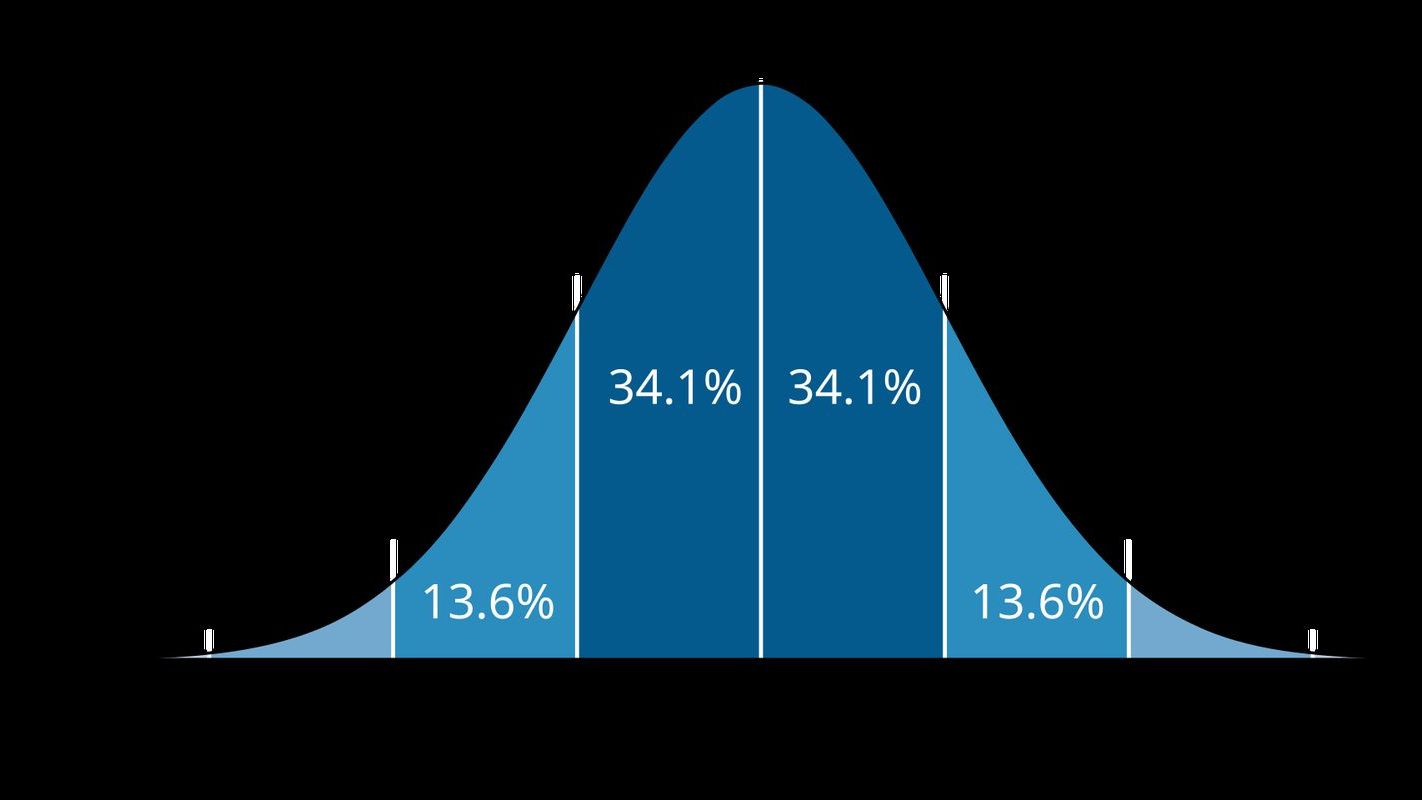
What a p-value is, and what it is not
A p-value is the probability of data at least as extreme as yours, if the null hypothesis were true. It is not the probability that the hypothesis is true, and it is not the probability that your result is a fluke. The definition, the three common misreadings, and the six principles of the American Statistical Association.
In the masterclass
Hypothesis Tests and p-Values
Null hypotheses, test statistics, the p-value, errors of two kinds, power, and the chi-squared test
Likelihood and Maximum Likelihood
The likelihood function, the derivative as a tool, maximum likelihood estimates, and their standard errors
Multiple Testing and the False Discovery Rate
Family-wise error, Bonferroni and Holm, the false discovery rate, Benjamini-Hochberg, and selective inference