
Research presented in the program
Established statistics is the foundation. The research spotlights show what is being built on it now: each unit presents the published work of a leading statistician and links to the original paper.
The scientists named here are not contributors to the Statistics Masterclass, are not affiliated with it, and have not endorsed it. The program presents and explains their published research, with references to the original papers.
Research spotlights
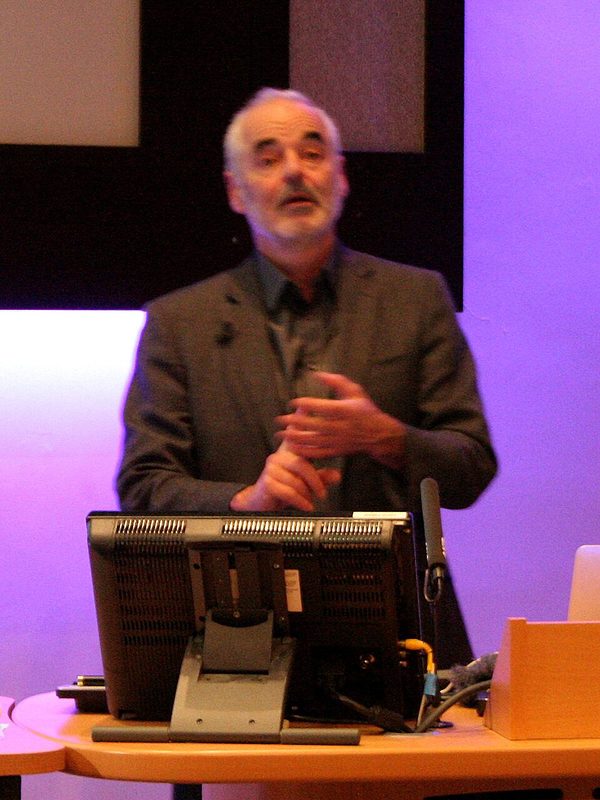
David Spiegelhalter
Statistics, the communication of risk and uncertainty
Peter J. Rousseeuw
Robust statistics, outlier and anomaly detection, cluster analysis
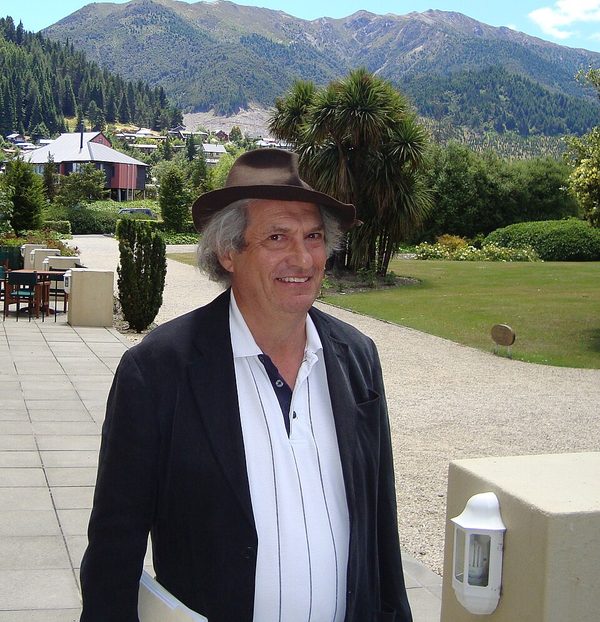
Persi Diaconis
Probability, the mathematics of randomization, Markov chains
Aaron Clauset
Network science, heavy-tailed distributions, computational social science
Xiao-Li Meng
Statistical inference, data quality, missing data, Markov chain Monte Carlo
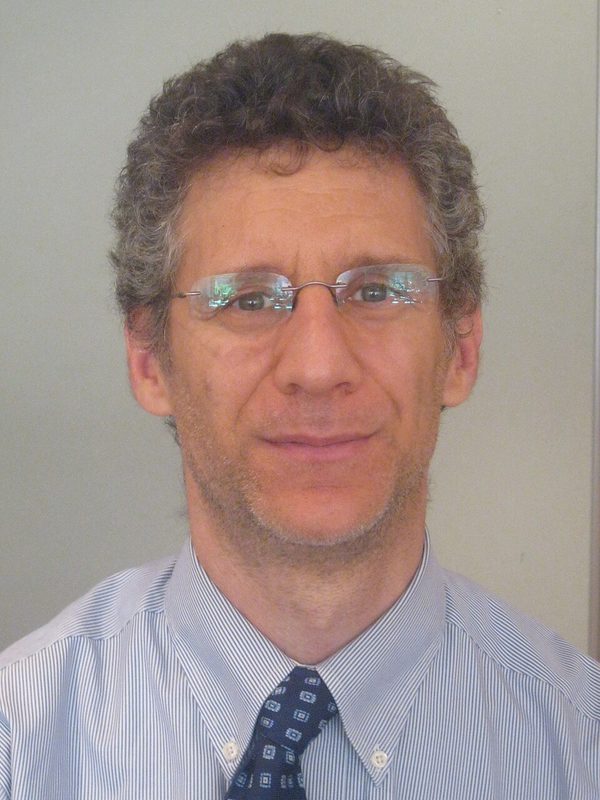
Andrew Gelman
Bayesian statistics, survey methodology, political science
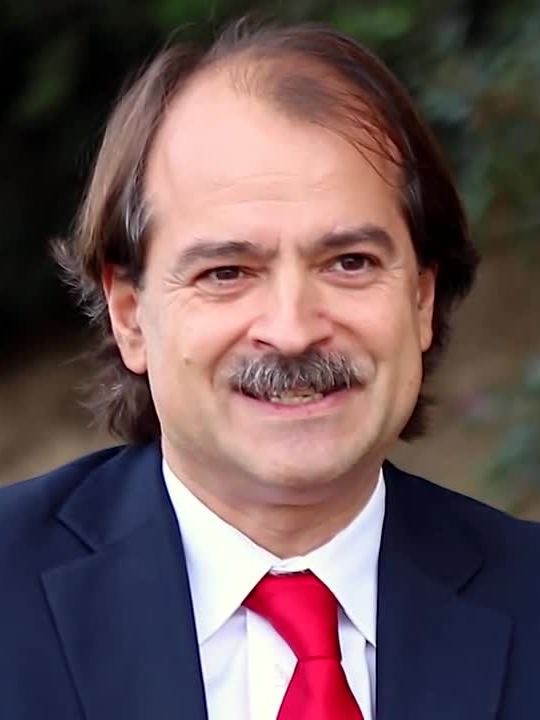
John Ioannidis
Meta-research, epidemiology, evidence-based medicine
Nicole Lazar
Statistical inference, functional neuroimaging, the practice of statistics
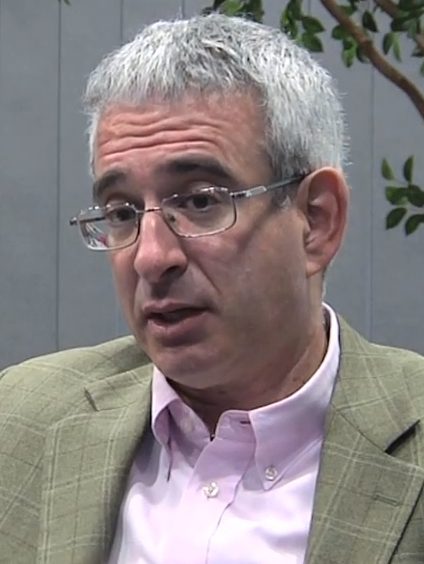
Joshua Angrist
Labour economics, econometrics of causal inference, natural experiments
Stephen M. Stigler
History of statistics, statistical theory
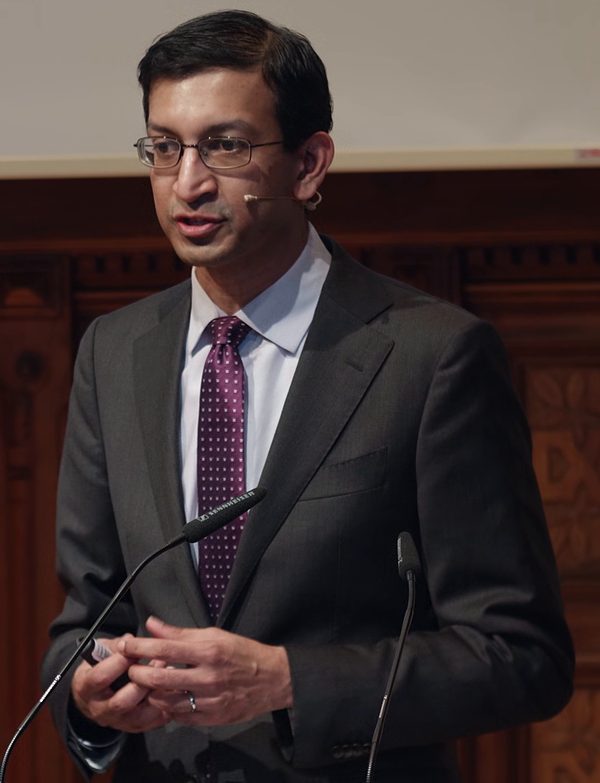
Raj Chetty
Public economics, intergenerational mobility, the economics of opportunity
Gary King
Political methodology, statistics for the social sciences
Aki Vehtari
Bayesian statistics, Markov chain Monte Carlo diagnostics, probabilistic programming
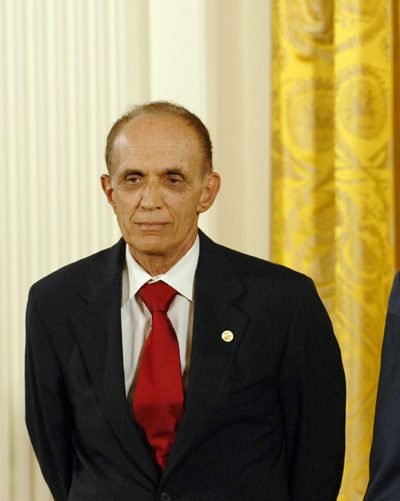
Bradley Efron
Statistical inference, resampling methods, empirical Bayes
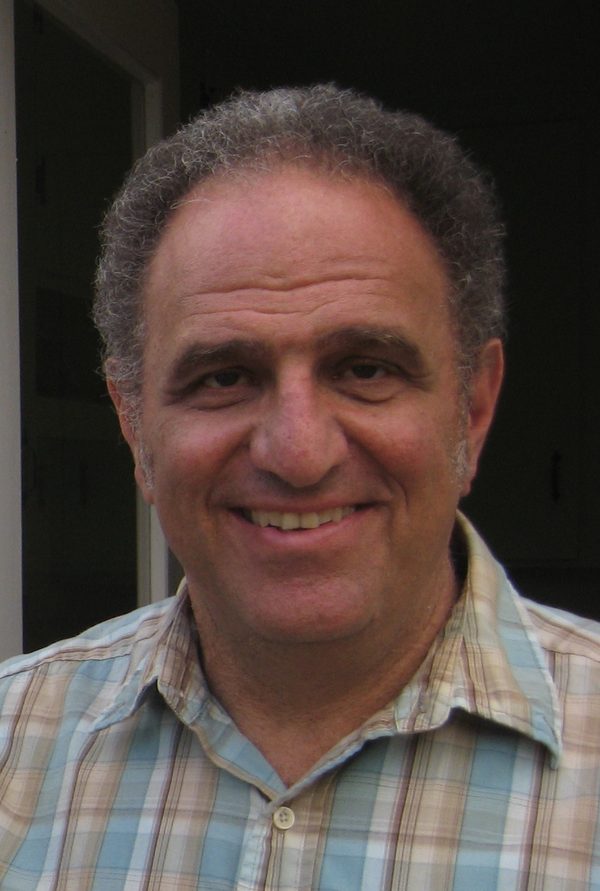
Robert Tibshirani
Statistical learning, sparse regression, biomedical data science
Jerome Friedman
Statistical learning, data mining, tree-based methods
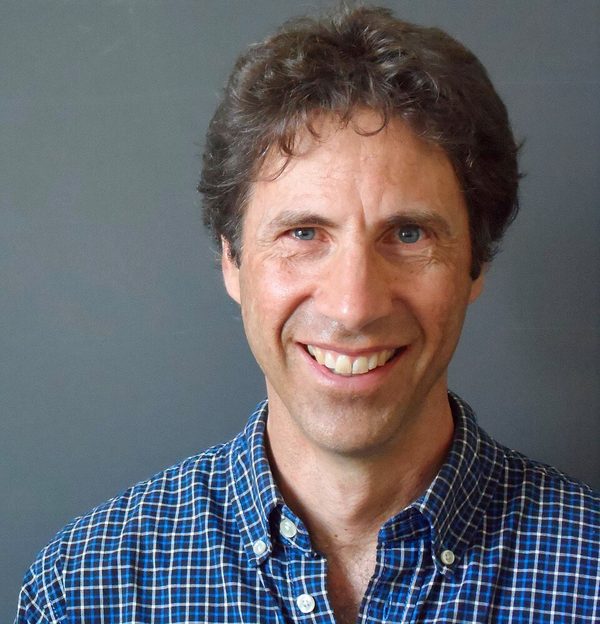
Peter Bühlmann
High-dimensional statistics, boosting, causal inference
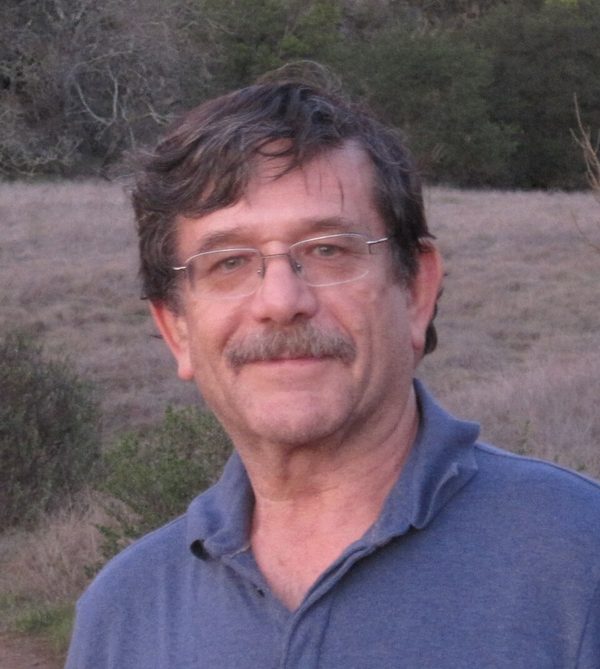
Yoav Benjamini
Multiple comparisons, selective inference, the false discovery rate

Emmanuel Candès
Statistics, applied mathematics, selective inference
Science is something people do
A formula can look as if it had always been there. The spotlights show that the questions are open, that the methods of each unit are in use today, and who is using them. For every unit you also receive a reading list with further papers that are free to read.