
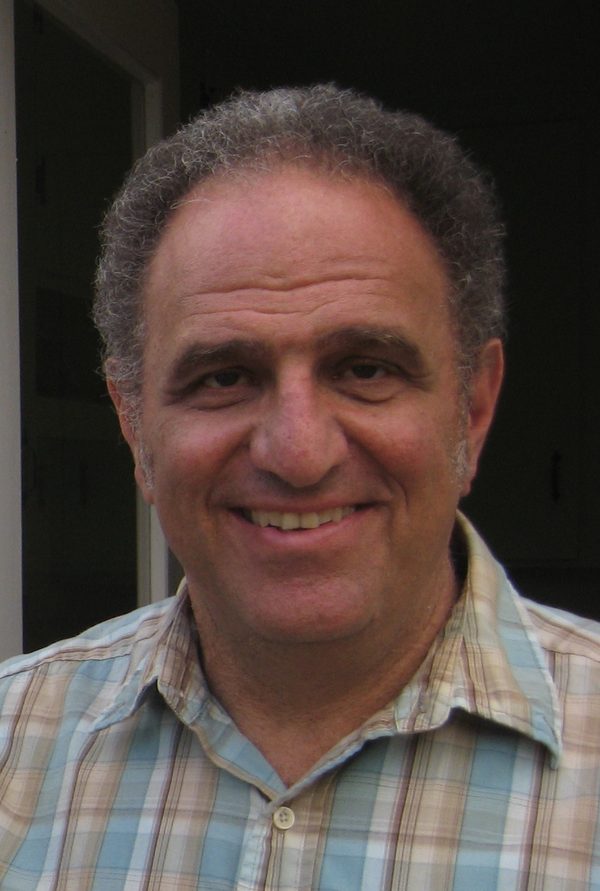
Photo: Tibshirani, CC BY-SA 3.0, Wikimedia Commons
Robert Tibshirani
Stanford University
- Research field
- Statistical learning, sparse regression, biomedical data science
Robert Tibshirani proposed the lasso in 1996: a least-squares fit with a penalty on the sum of the absolute coefficients, which shrinks the coefficients and sets some of them exactly to zero, so that it chooses the predictors while it fits. Fifteen years later he read a retrospective before the Royal Statistical Society that traces the idea to Leo Breiman's non-negative garrotte, explains why it drew little attention for years after it appeared, and lists a dozen descendants, from the elastic net to compressed sensing. The unit builds the lasso in Section 3 and presents the retrospective next to it; its diabetes data come from his 2004 paper with Efron, Hastie, and Johnstone on least angle regression.
In the masterclass
Section 3, after the lasso, soft thresholding, and the algorithms that compute the path.
The research is presented in Unit 14: Ridge, Lasso, and Regularization, in a research spotlight box that explains the result at the level of the unit and links it to what you have just learned.